Saturday, December 29, 2012

Cobaya Gets Cruxed


At some point fairly late Monday evening, after the last course had been served, somebody asked me how this all came about. I looked at the chef. He looked at me. I shrugged. The truth is, we no longer had any clear recollection how, exactly, we'd gotten to this point.

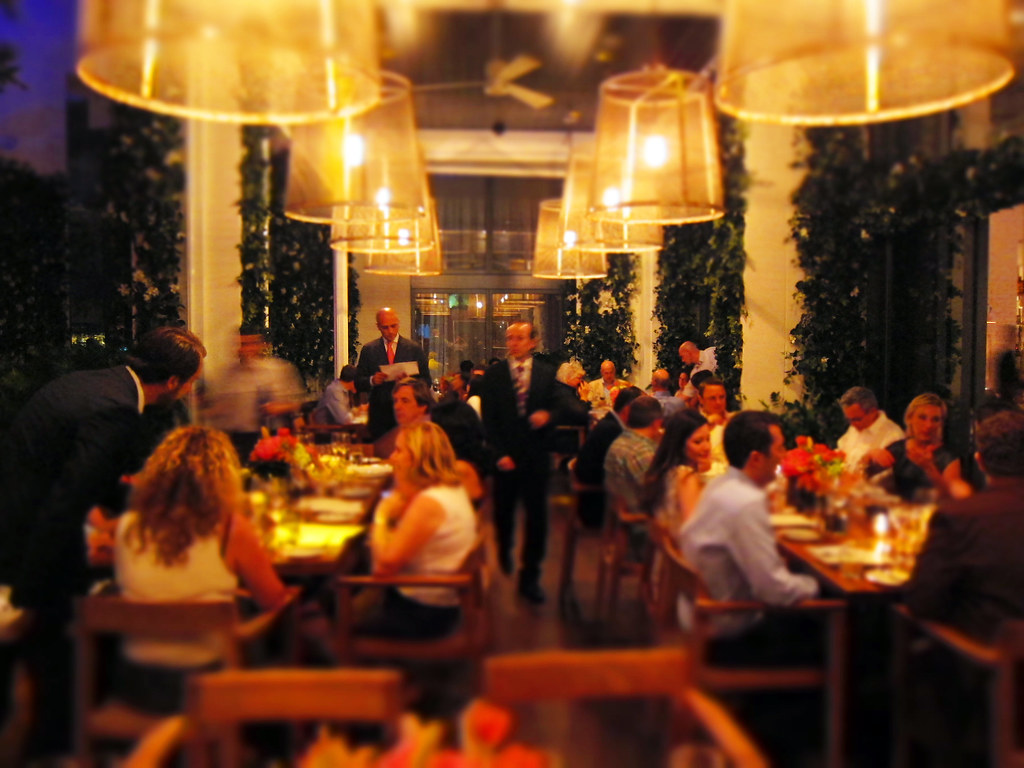
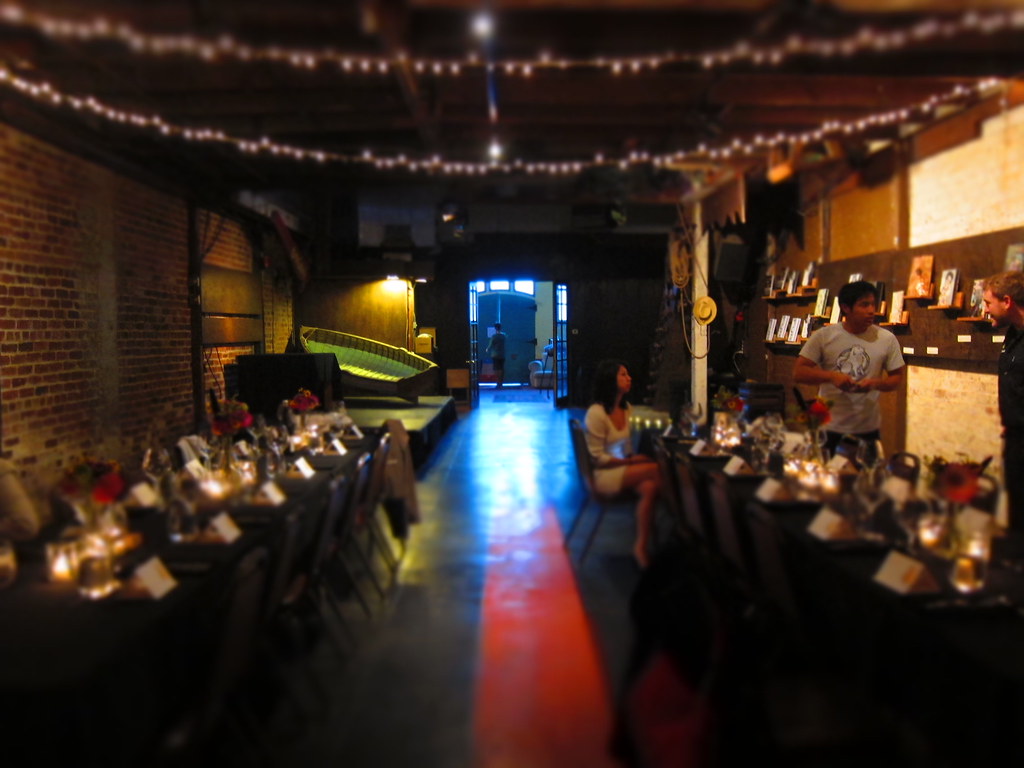
The chef was Brandon Baltzley, former sludge metal drummer and Chicago cooking wunderkind, mastermind of the Crux itinerant pop-up restaurant / culinary collective, author, and soon-to-be chef and farmer at TMIP, somewhere in the country an hour or so out of Chicago. We were decompressing in the Broken Shaker bar in the Freehand Miami (f/k/a the Indian Creek Hotel), which had just played gracious host to Brandon's nine-plus course dinner for forty Cobaya guinea pigs. It was a dinner that he'd really only started prepping some time around midnight the night before. The fact that it came together at all was still something of a surprise to me. The fact that it turned out so well was nothing short of remarkable.

It was always going to be a bit tricky. Brandon was planning to come in to Miami early Sunday morning, have a sous chef from Chicago join him down here, and shop and prep all day Sunday and Monday with help from Chef Jeremiah Bullfrog at the Freehand. Then the sous chef went AWOL and Brandon missed his flight (TSA taking particular interest in a duffel bag full of vacuum-sealed offal and little baggies of white powders - "They're just hydrocolloids!"), and as of mid-day Sunday it looked like there wasn't going to be any dinner at all.

But we would not be so easily sidetracked. After some quick reshuffling, Brandon was on another (non-direct) flight from Pittsburgh (his temporary home base), his mom was on a Greyhound bus down from Jacksonville to come help, Jeremiah had a trip to the seafood market to make, and I had a grocery list to feed a crowd of forty so there would be something to cook when Brandon finally arrived. Jeremiah and Steve Santana busted ass the next day to help with the prep, and Brandon's backup kitchen reinforcements arrived Monday afternoon.

Some people thrive on chaos and stress. And by Monday morning, Brandon had gone from thinking we needed to reschedule, then thinking he wouldn't be able to execute the menu he'd planned, to actually adding on a couple extra snacks on top of it (and supplementing my grocery shopping duties as a result). Somehow, it all happened.[1]
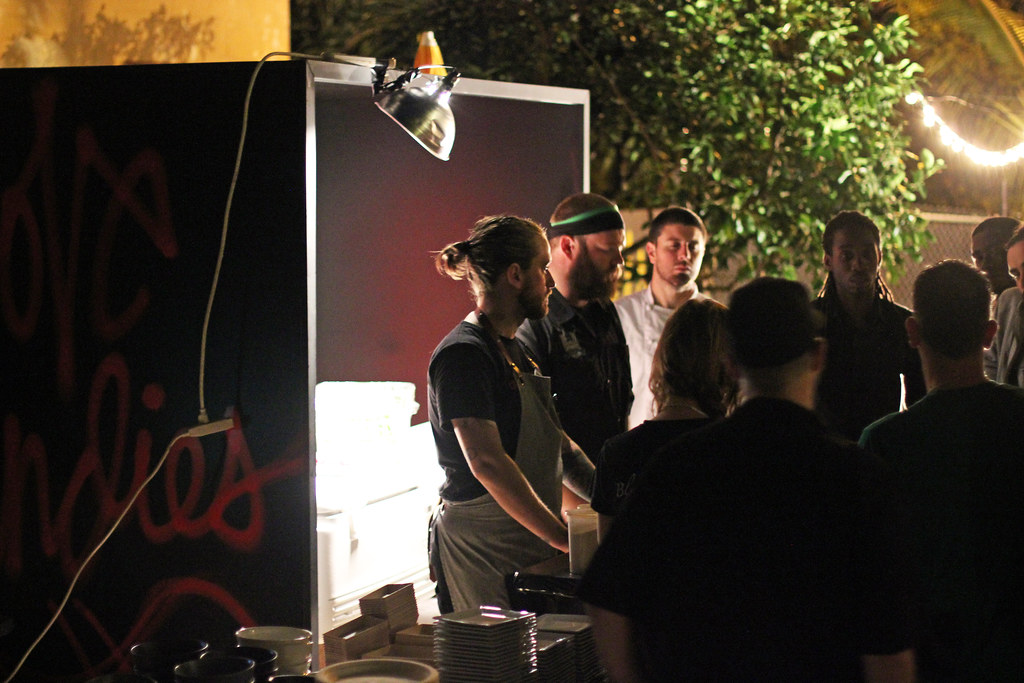

With the benefit of hindsight and sobriety, I now have a better idea of how this thing came about. I'd actually been following Baltzley for some time: his most recent project, Crux, a sort of itinerant restaurant pop-up / co-op, seemed very much in the same spirit of what we're trying to do with Cobaya. Plus, he's got a pretty intriguing backstory, interesting enough to have scored himself a book deal (which clearly gets bonus points for having a blurb that manages to mention Paula Deen and Grant Achatz in the same sentence).

So I sent him a message: "You want to come down to Miami in December and do a dinner?" The response came quickly: "I am definitely game." I reached out to Chef Jeremiah, now the in-house chef at the Freehand, and a long-time Cobaya facilitator, and we were able to line up a kitchen and a dining space at the Broken Shaker, with the Bar Lab boys Elad Zvi and Gabe Orta contributing some cocktail pairings to go along with the dinner.


After 36 frantic hours, here was the end result.

(You can see all my pictures in this "Cobaya Gets Cruxed" flickr set.)

(continued ...)

Thursday, December 13, 2012

A Dinner with Chef Brad Kilgore


It's not often that my photos draw much attention beyond a small group of food-obsessed Miami locals. But when I posted pictures from a dinner that chef Brad Kilgore put together a few months ago, discerning folks around the country took notice. I think Brandon Baltzley, the chef behind the nomadic Crux "micro-restaurant" traveling roadshow, summed it up when he tweeted: "Who the fuck is @brad_kilgore and why is no one following him?"

In direct answer to that question: Brad Kilgore is a local chef who until recently was working at Azul restaurant on Brickell Key. He was a sous chef under Joel Huff when Azul did our Cobaya dinner last year, and along with chef de cuisine Jacob Anaya, took on added responsibilities when Huff left a couple months later. Before coming to Miami for Azul, Brad had been working in Chicago, including stints at Alinea, L2O, and Boka, then became Executive Sous Chef at Epic. For his complete backstory, read here.

But you can't just walk in and order a dinner like this at Azul, for at least two reasons: (1) we had assembled a small group for a "let me cook for you" kind of night, so what you see here isn't on the regular menu; and (2) Kilgore is no longer at Azul. So why am I posting this now?

Well, the good news is that Brad left Azul in order to partner up with Jeremy and Paola Goldberg of Route 9 in Coral Gables and the recently opened Exit 1 on Key Biscayne. Brad has been putting his menu into place at Exit 1, and while that stunning whole pig you see here isn't on it, there should be plenty of other opportunities to taste Brad's handiwork. For just one, he's doing a dinner with Cigar City Brewery next week on Tuesday, December 18.

So consider the meal described here something of a prototype.

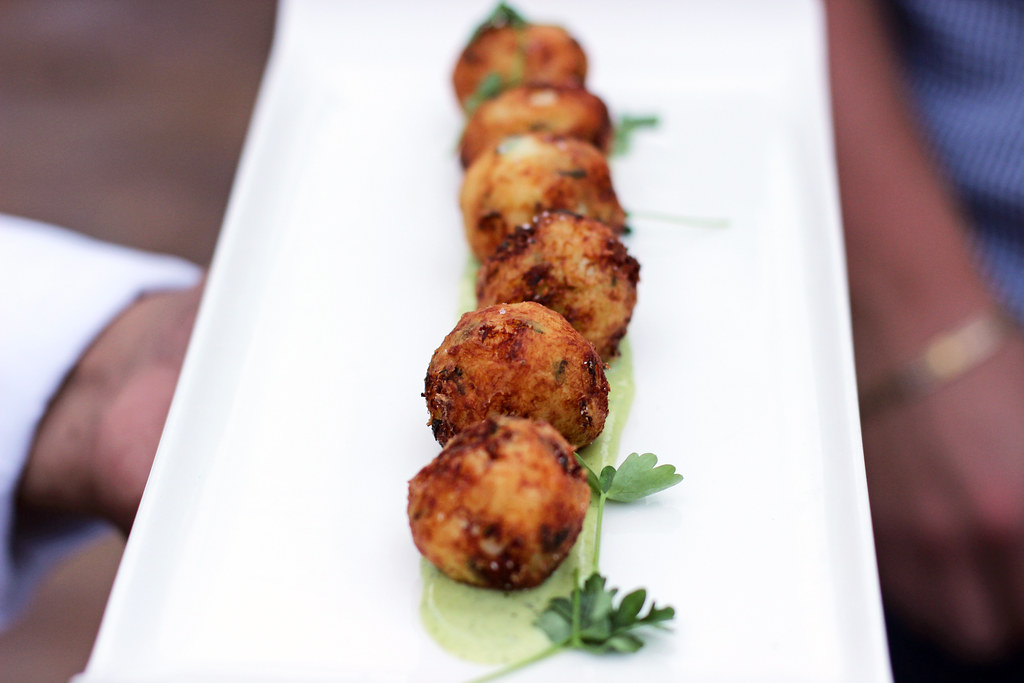
Our dinner started with an amuse bouche modeled after one of my favorite unlikely combinations: vitello tonnato. Brad's version substituted a melting puddle of braised veal breast, topped with a frothy emulsion of egg yolk, tuna and lemon, all dolloped with warm goat butter. This rich bite was a preview of the indulgence to come.


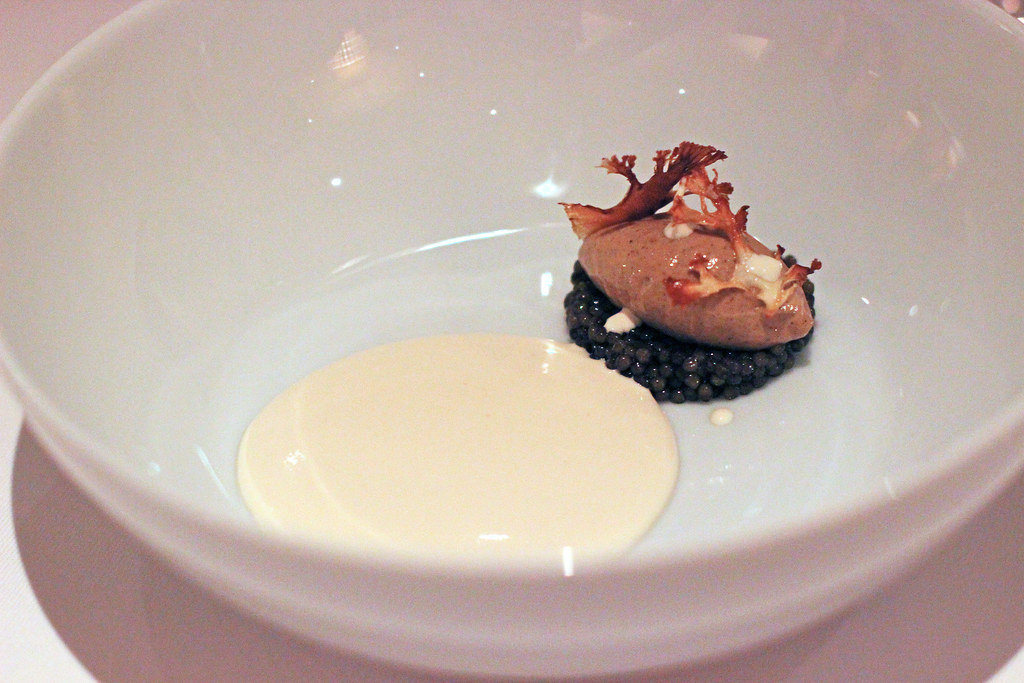
And it came quickly. The primary notes of the first dish - cauliflower and caviar - were a riff on the French Laundry's cauliflower panna cotta with beluga caviar.[1] Kilgore's version started with a puddle of a cold, creamy cauliflower and white chocolate "vichysoisse"[2] Next to that was a generous mound of really fine royal osetra caviar, topped with a quenelle of a darkly caramelized roasted cauliflower gelato, mounted with a few crisped florets to reinforce the notion. This was rich upon rich, but it still found its balance. I loved it.

(continued ...)
Friday, December 7, 2012

Cobaya Hinckley at the Hoxton

Unless you're a pretty hardcore genealogist of Miami's culinary family trees, you probably don't recognize the name Matt Hinckley. But if you've been a regular at Michael's Genuine for a while, you would know Matt on sight: for a couple years he was a regular fixture there, working the wood-burning oven as sous chef, then moved over to help open Harry's Pizzeria.

Hinckley is now the head chef at The Hoxton, which is the first of what are slated to be three related venues in the Axis building in Brickell. While the recently opened Hoxton puts together a beach house feel and New England seafood hut menu with a bar and occasional live music, next in line is Box Park, which will be a more food-centric farm-to-table venture. When we asked Hinckley to do a Cobaya dinner with us, the menu he created embodied a few themes which I anticipate will also be a focus of Box Park: whole animal utilization; local products; and "alternative" proteins - alligator, rabbit and duck were well represented at our dinner, along with the omnipresent pig.

(You can see all my pictures in this Cobaya Hinckley flickr set).


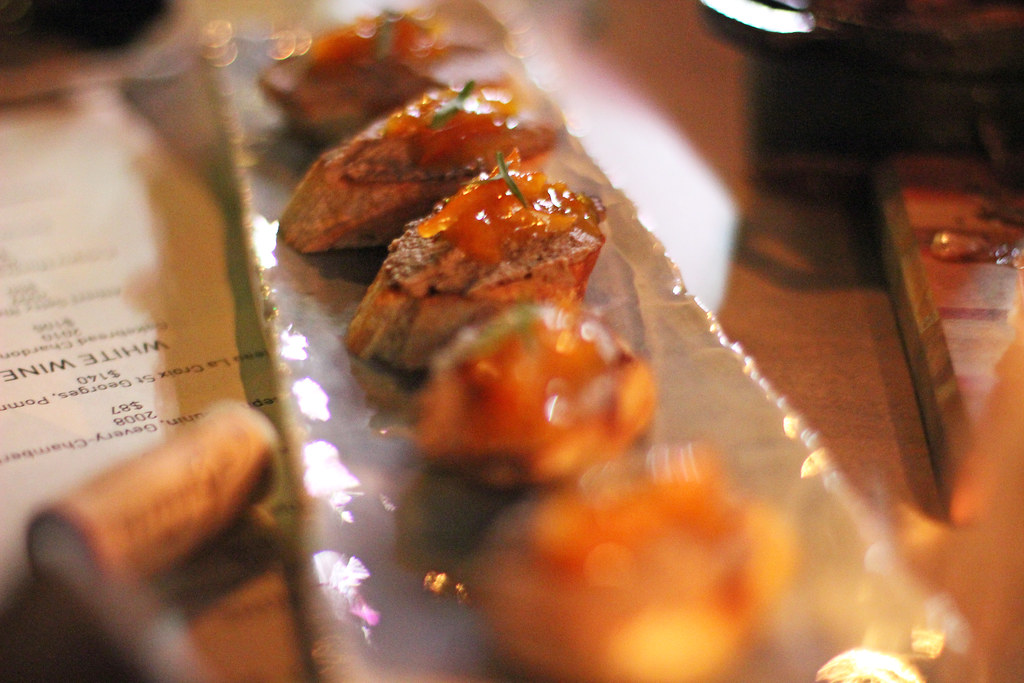
Each of those themes was emphasized from the very start of our dinner with a series of  passed appetizers served to our group in the Hoxton's upstairs loft area.  Fried alligator was served with a subtly spicy salsa negra; Chef Hinckley assured everyone it "tastes just like dinosaur." A silky, rich duck egg quiche was made even heartier with a lacing of 26-month aged Beemster XO cheese and then topped for good measure with duck confit that had been cured for 45 days. Perhaps best of all were toasts topped with a shmear of a creamy rabbit liver mousse, a dab of tangerine jam and a sprinkle of fresh tarragon: this was exceptional, one of the most memorable bites of the evening.

(continued ...)

Tuesday, November 20, 2012

Hurricane Sandy Relief Dinner at The Dutch


"Superstorm Sandy" hit the eastern seaboard exactly three weeks ago on October 29, leaving a trail of damage that will have lasting aftereffects. Lower Manhattan went dark for days; some New York and New Jersey communities like Rockaway, Red Hook, Staten Island and Long Beach Island have been devastated by flooding, fires and ongoing power outages.

The restaurant community, with its thin margins, perishable inventory and dependence on customer foot traffic, is among the most sensitive to disasters like this. And at the same time, it is also one of the most apt to respond and assist: almost immediately after the storm cleared and the damage was assessed, chefs and restaurant owners were looking for ways they could help others.

One of the first to jump on the task was Andrew Carmellini: two days after Sandy, before the power was even restored, The Dutch in New York was serving up free soup and salad for anyone in the neighborhood. And together with fellow New York chefs Marco Canora, George Mendes and Seamus Mullen, he quickly put together "NYC Food Flood" to provide direct aid to those impacted by the storm.

When I heard Carmellini had a stash of truffles for a planned "Trufflepalooza" dinner that had to be cancelled, I suggested he send them down to Miami so we could do a fundraiser down here. The truffles found another home, but the idea stuck. Chef Carmellini suggested lining up some local chefs to team up for a charity dinner, and the outpouring of support was overwhelming. In only a couple days, Michelle Bernstein (Michy's), Richard Gras and Antonio Bachour (J&G Grill), Aaron Brooks (Edge Steak), Brad Kilgore (Exit 1), Jeremiah Bullfrog (gastroPod), and Bar Lab had all agreed to participate. Andrew Zimmern sent his AZ Canteen truck down for the event. Many others - Michael's Genuine, The Bazaar, Bourbon Steak, neMesis Urban Bistro, Wolfe's Wine Shoppe, South Beach Wine & Food Festival, Miami Wine and Food Festival, and more - contributed items for a silent auction.

And when we called for our Cobaya "guinea pigs" to come out and support the event, we received an equally enthusiastic response, filling more than 40 of the available spots for the dinner. South Floridians can surely empathize as New York recovers from the aftermath of a destructive hurricane, and I was gratified and moved by the generous support for the efforts of Chef Carmellini and so many others. Thank you for being "Cobayas for a Cause".

So, sure, it's all for a good cause; but what about the food?

(continued ...)

Wednesday, November 7, 2012

Cobayas for a Cause - 11/18/12

THE DUTCH AT W SOUTH BEACH TO HOST HURRICANE SANDY RELIEF DINNER
Local Miami Chefs to Join Andrew Carmellini for Dinner & Silent Auction November 18, 2012

COBAYAS FOR A CAUSE

Miami is no stranger to hurricanes, and when Hurricane Sandy hit the Northeast last week, thousands of businesses and residents were left struggling for survival. In an effort to provide relief for the victims of ‘Sandy,’ chef Andrew Carmellini and his team at The Dutch at W South Beach Hotel & Residences have teamed up with Cobaya – Gourmet Guinea Pigs, the organizers of Miami’s premier underground dining events, to gather renowned Miami chefs and businesses to join them in a five-course dinner and silent auction taking place Sunday, November 18, 2012.

“We got rocked up in New York, some much worse than others. Many people like myself have roots in both the tri-state and South Florida, so I knew I could count on the culinary talent of Miami for help. Cobaya has been instrumental in this rally,” says Carmellini.

Priced at $250 per person all-inclusive, the special evening will bring together some of our region’s most notable chefs including Antonio Bachour (J&G Grill), Michelle Bernstein (Michy’s), Aaron Brooks (Edge Steak), Jeremiah Bullfrog (gastroPod and the upcoming Freehand), Richard Gras (J&G Grill), Brad Kilgore (Exit 1) and Andrew Zimmern’s AZ Canteen joined by The Dutch’s stellar culinary team, chef de cuisine Conor Hanlon, pastry chef Josh Gripper and head bartender Rob Ferrara. Guests can expect signature dishes and chef favorites for each course, expertly paired with wine and cocktails, and Michael Schwartz of Michael's Genuine Food & Drink will be on hand to pour his Michael's Genuine Home Brew and help out in the kitchen. The evening starts at 7:00 p.m. with cocktails by BarLab and canapés in the lush Grove at W South Beach followed by dinner on The Terrace at The Dutch.

All of the participating chefs are Cobaya alumni in one way or another, and we are thrilled by the incredibly generous and unhesitating response by local chefs to the call for help. We hope that our group of guinea pigs responds in the same fashion. We have a block of tickets that we are taking requests for and will conduct a lottery this Friday November 9, 2012 to fill available spots. Though this is pricier than our usual Cobaya events, it is a stellar lineup and a worthwhile cause, and we hope you feel the same.

We also encourage you to come ready to bid on some fantastic items for the silent auction, which will feature an array of items from hotel stays and spa days to autographed cookbooks and dinner certificates. Cobaya also will be contributing four guaranteed seats for a future Cobaya dinner to the auction.

ALL PROCEEDS from the dinner and silent auction will go directly to NYC Food Flood, a fund started in concert by Carmellini and fellow New York chefs, Marco Canora, Seamus Mullen and George Mendes, joining efforts to generate funds directed to relief efforts in their own backyard. You can follow NYC Food Flood on twitter @NYCFoodFlood.

To request seats, please email your request to cobayamiami@gmail.com and specify how many spots you would like. We will be conducting a lottery to fill the available spots on Friday November 9, 2012. You will then need to book your seats via PayPal by Monday November 12 (a link will be made available on the Cobaya website). So please respond quickly if you're interested.

Please help Cobaya support this worthy cause.

The Dutch is located inside W South Beach Hotel & Residences, 2201 Collins Avenue, in Miami Beach, Florida, 33139.

Friday, October 26, 2012

"The List" - Where to Eat in Miami - Updated

Back in February, with some trepidation, I added a new feature to this blog: "The List" - a compilation of my own most frequently voiced responses to the question, "What are the best places to eat in Miami?" For reasons I explained back then, I've always struggled to name "favorites," as so much depends on mood, preference and appetite any given day.

Still and yet I ventured forth, and of course, promptly infuriated many readers with both my inclusions and omissions. And to make it even worse, as the list sat there growing old and stale, at least a couple of the places listed up and closed.

Well, once more unto the breach.

"The List" has been updated. What's more, it's been broken down a bit into:

"The Short List" (Go to these places. You will have a great meal and a great experience);

"The Not-So-Short List" (A bakers' dozen of favorites - many are "everyday" restaurants where I'm a regular, others may be visited less frequently, but all are places I readily recommend);

"The Long List" (Solid "neighborhood" joints, restaurants that maybe do one particular genre of food particularly well, and places that particularly capture Miami's local flavor); and

"Notable Omissions" (Restaurants I've just not eaten at often enough or recently enough to feel like I know them well, but want to. Several are places that that have put on great special event dinners but which I need to revisit to try the regular menu).

As always, suggestions and feedback welcomed.


Tuesday, October 23, 2012

The FFT Calendar


If you're not on the twitter and don't inspect this site pretty carefully, you may have missed the latest addition to FFT:  the Food For Thought Calendar, a running list of upcoming food and dining events in and around Miami. This calendar will likely fall somewhere between the "carefully curated" and the "neighborhood bulletin board" kinds of lists: I don't intend to include every 50-cent discount day at the frozen yogurt shop, but I'll probably include more events than I might strictly intend to go to myself, even with an unlimited budget and caloric intake capacity.

Unless it's particularly exciting, I will likely not be doing separate posts every time a new event is added, even though that makes for great blog filler. Instead, consider this your invitation to periodically visit here, click the "Calendar" link underneath the banner, and see if there's anything you might find interesting. And if you think there's something I've omitted that ought to be included, please email me the info here.


Friday, October 19, 2012

Goes Around ... Comes Around: Double Feature Edition

I ate at two new restaurants this week. I’ll need to make return visits to give a complete assessment of the food, but just from looking at their menus I could tell something about both of them: they kind of want to be other restaurants.

First, Tikl. Or, to be more precise, Tikl Raw Bar Grill. Where the menu is divided into “snacks,” “raw,” “small” and “robata” sections, rounded out by a couple “large” dishes. Where said “raw” dishes feature creatively flavored seafood crudos, the “small” items are an eclectic mix of tapas style dishes, and the “robata” items include meats, seafood and vegetables with a mish-mash of Asian and Mediterranean flavors. Where the menu puts the main ingredient of a dish in boldface, followed by a lower-case list of the other ingredients separated by slashes.


If this sounds familiar, that’s because it is almost exactly the same menu format as Sugarcane. Or, to be more precise, Sugarcane Raw Bar Grill. Which has a menu divided into “snacks,” “crudos,” “tapas,” “robata grill” and “large plates” (though Sugarcane also offers sushi and sashimi). And which just happens to be one of the most popular and heavily trafficked restaurants to open in Miami the past couple years.

In fairness, though, Sugarcane uses a slash between ingredients on the menu. Tikl uses a backslash.

Now, to really be fair, I should point out that while the menu format at Tikl is clearly copied from Sugarcane, the dishes are not. Even if it’s in the same style, the particulars are certainly different. And none of this ultimately has anything to do with how well they’re actually executing what’s on that menu. But it’s impossible to look at Tikl’s menu and not realize that it’s trying to be the Sugarcane of Brickell.

(continued ...)
Thursday, October 18, 2012

Josh's Delicatessen & Appetizing - Surfside

When Edible South Florida magazine decided to do an issue dedicated to "classics," I was honored to be asked to participate. As a lifelong South Florida resident with many fond memories of places long gone, generally any opportunity to reminisce is enough to get me started. The piece I contributed is on Jewish delis, and I’ll try not to repeat it here too much - go find yourself a copy or read it online - other than to lay out the basic premise: that if the closing of the late, great Rascal House signified the death of the Jewish deli in South Florida, then Josh's Delicatessen & Appetizing, which opened earlier this year in Surfside, may be its reincarnation.

The "Josh" in Josh's Deli is chef/owner Joshua Marcus, who opened Chow Down Grill in this same spot a couple years ago. I was a fan of Chow Down, which brought a modern spin to Chinese-American classics with fresh, high-quality ingredients and house-made everything. But it (and its South Beach sibling, which opened about a year later) were on the front end of what seems to be an inexhaustible supply of contemporary casual Asian eateries in Miami - first Sakaya Kitchen, Pubbelly and Gigi, more recently, Bloom, Shokudo, PaoTown, Kung Fu Kitchen, Lantao Kitchen ...

Amid the glut, Josh decided to try something nobody else was doing: a Jewish-style deli. In April, Chow Down's Surfside location became Josh's Deli.


(You can see all my pictures in this Josh’s Deli flickr set, or click on any picture to enlarge.)

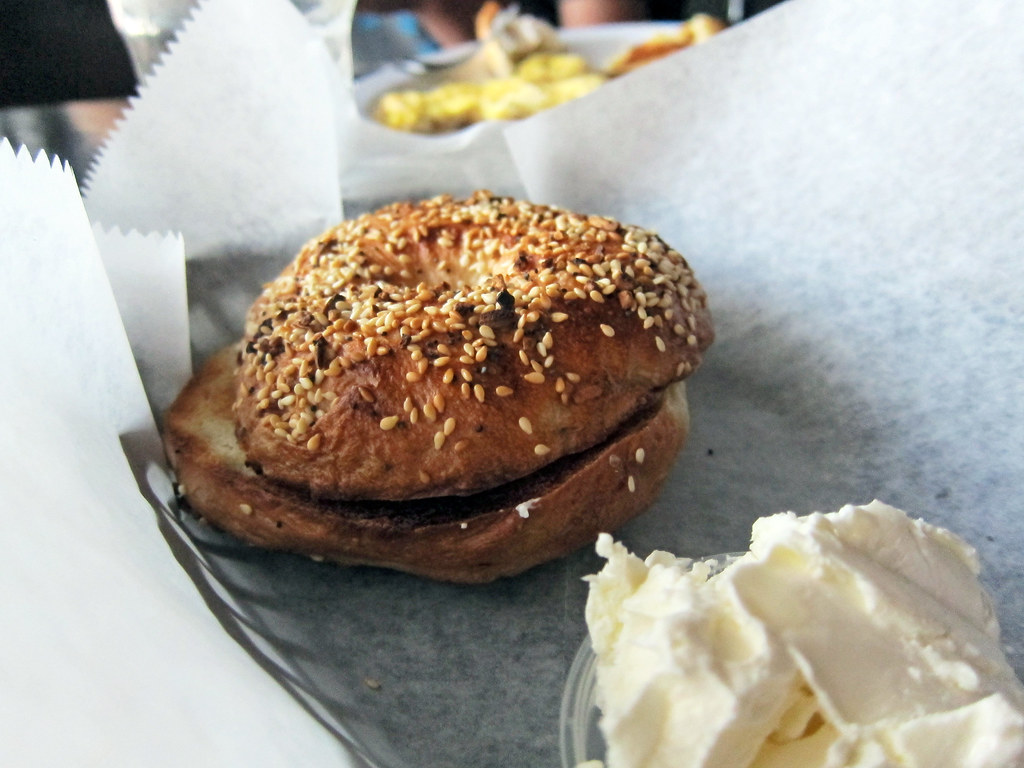
Though maybe the only thing that Chinese food and delicatessen food have in common is Jews' fondness for both, Josh’s approach to them has been similar. In particular, virtually everything at Josh’s Deli is made from scratch.[1] He cures his own corned beef and smokes his own pastrami. He prepares his own fish – salmon three different ways (cured, smoked and pastrami-spiced), smoked tilapia for whitefish salad.[2] The bagels are specially made for him by a local baker.[3] He pickles his own pickles. He even makes his own mustard.


This kind of cooking is a labor of love that many deli owners abandoned years ago in favor of the convenience of pre-prepared, pre-packaged products. It’s a lot more work than cutting open a plastic wrapper, but it’s worth it.


His cured salmon, sliced to order, is beautifully silky, achieving that uneasy feat of tasting like fish without being fishy. We brought home some of each variety to break the fast on Yom Kippur, and while family members all had strong opinions on which they preferred and there was no consensus, everyone had a favorite (for me it’s definitely the pastrami-cured salmon). His whitefish salad, which I initially quibbled with as too chunky, has grown on me, with just enough chopped onion, celery and hard-boiled egg to provide some contrast to the flaky smoked fish without overwhelming it.

(continued ...)

Tuesday, October 9, 2012

Estiatorio Milos - Miami Beach

I started this blog with the purpose of sharing great dining experiences in the Miami area, but I'll admit it: there are times that I'd like to keep some things to myself. There's a certain pleasure in having secrets, particularly when they're small, intimate places that for an hour or two you can sort of claim as your own.[1]

Estiatorio Milos

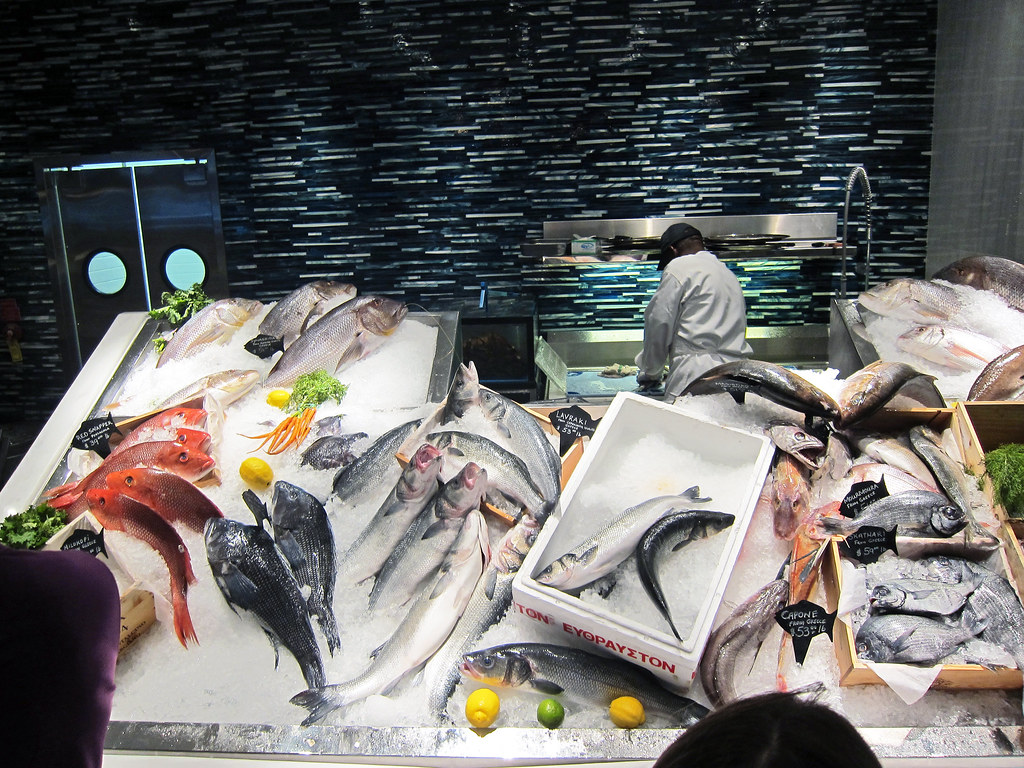
Estiatorio Milos, the newish Greek restaurant from Costas Spiliadis on the SoFi[2] end of South Beach, is far from a small, intimate place. To the contrary, Milos (which has siblings in Athens, New York, Montreal, and Las Vegas) is built on a grand scale. It seats a couple hundred in a breezy wide-open space with billowing white curtains and natural blond wood all around. The back of the dining room has an extravagant display of fish and seafood, flown in overnight from the Mediterranean and packed on ice. They're so impeccably fresh that even right next to the display, the only fish you smell are the ones cooking nearby in the open kitchen, on massive open grills with grates that can be wheeled up or down to control their proximity to the heat.

fish case

(You can see all my pictures in this Estiatorio Milos flickr set, or click on any picture to view it larger).

The menu at Milos is minimalist: basically, you can choose from among a few raw seafood items, several typical Greek meze, salads and vegetables. Then go pick your fish and decide if you want it grilled or perhaps baked in a salt crust. There are lamb chops and a few steaks for the landlubbers. And that's it.

But the menu also has prices to match the grandiosity of the venue: The "Milos Special" appetizer, a tower of fried zucchini and eggplant with cubes of kefalograviera cheese and tzatziki, is around $30;[3] four little slices of avgotaraho (cured mullet roe) on crostini ran me $32; those fish you see have price tags in the $40's and $50's per pound. These tariffs quickly add up to make Milos one of the most expensive dining propositions in town.

Whether it's worth it depends a lot on how passionate you are about über-fresh seafood: yes, it's very pricey, but the red mullet (barbouni, for the Greek) we had one visit was so fresh it seemed still ready to jump back into the water.[4] An item rarely seen around these parts, this is one fish they elect to delicately fry instead of grill, and it was fantastic: plump, firm flesh with an almost crustacean sweetness. And there really is something inspirational about that display case: my 12-year old daughter has seen me pick apart plenty of whole fish, but was never inclined to do so on her own until she saw those mullets.

Curiously, Milos is both one of the most expensive restaurants in town and one of the most affordable depending on how you do it: while the regular menu is borderline prohibitive, they also offer a much more wallet-friendly three-course lunch special (recently increased from $20.12 to $24.07), and a $49 four-course dinner special from 5:00-7:00 pm (and all day on Sunday).[5]

But I'm not really here to tell you about the regular restaurant.

(continued ...)

Monday, October 1, 2012

Lazy Bear - San Francisco

Lazy Bear menu

When we started our Cobaya "underground" dinners, there was no pretense of originality; we were very deliberately copying things we had heard about in other cities. So for years I've been keeping track of what other like-minded people are doing around the country, including the Lazy Bear dinners in San Francisco.

In many ways, Lazy Bear is very similar to our Cobaya events: it's a set menu, with a focus on creative, contemporary cooking; events are announced only by mailing list and website; seats are assigned by lottery; the location is only disclosed to confirmed attendees.[1] But there are differences as well: whereas Cobaya was organized by a few avid diners, and features a different chef for every event, Lazy Bear is a chef-driven affair: specifically, David Barzelay, who cooked at Nopa and Commonwealth, and staged at McCrady's and Aldea, before going the underground dinner route.

When the opportunity presented itself to attend one of his dinners on our recent trip to San Francisco, we eagerly did so.

(You can see all my pictures from the dinner in this Lazy Bear flickr set, or click on any picture to enlarge).

Lazy Bear dining room

The location was a secret, so let's just say that it was a funky warehouse-type space, with two long tables set up for a total of 24 diners. The attached kitchen had plenty of room to work; if the equipment was not exactly cutting-edge, it's still a leap up from several of the facilities we've used for Cobaya dinners.

Lazy Bear kitchen

This is a preview version of the menu from when the event was announced:

Lazy Bear menu

Nine courses are listed, though in actuality it was even more generous than that, with several "snacks" and "treats" bookending the start and finish of the meal.


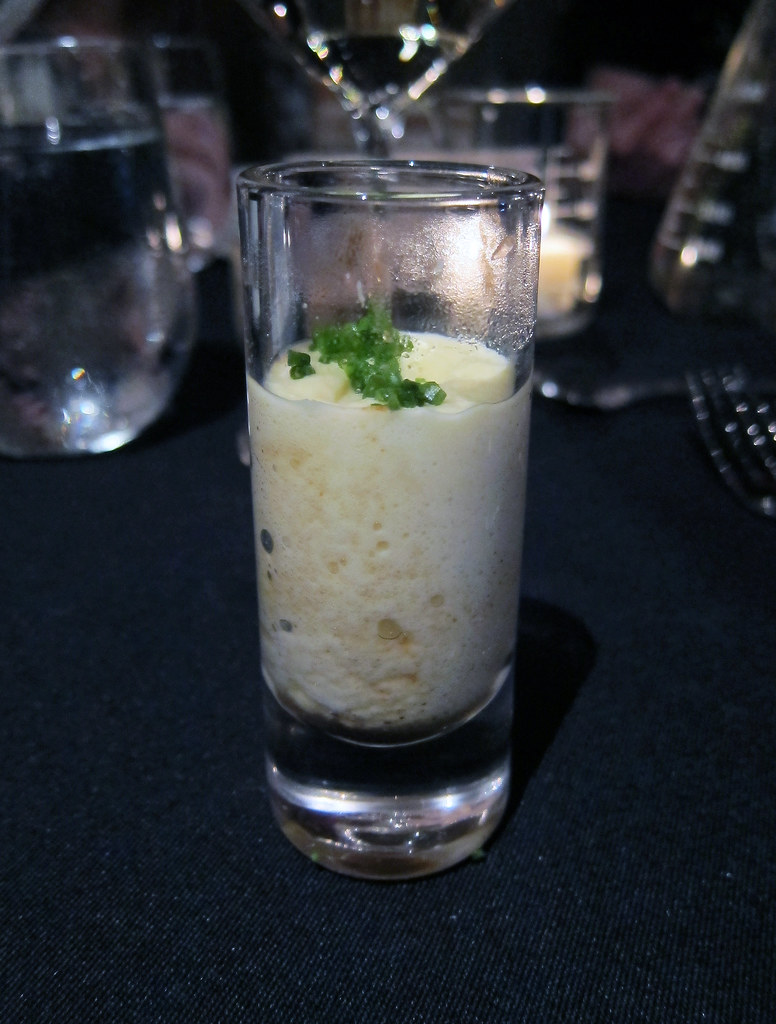
First, a little amuse bouche of a "scrambled egg mousse." Like breakfast in a shot glass, the creamy mousse was infused with bacon and topped with snipped chives, but finished sweetly with a dollop of maple syrup. Some might recognize this as a variation on the "Arpege egg," Alain Passard's iconic egg yolk poached in its shell with creme fraiche and maple syrup. But you don't need to know the reference to know it's delicious.


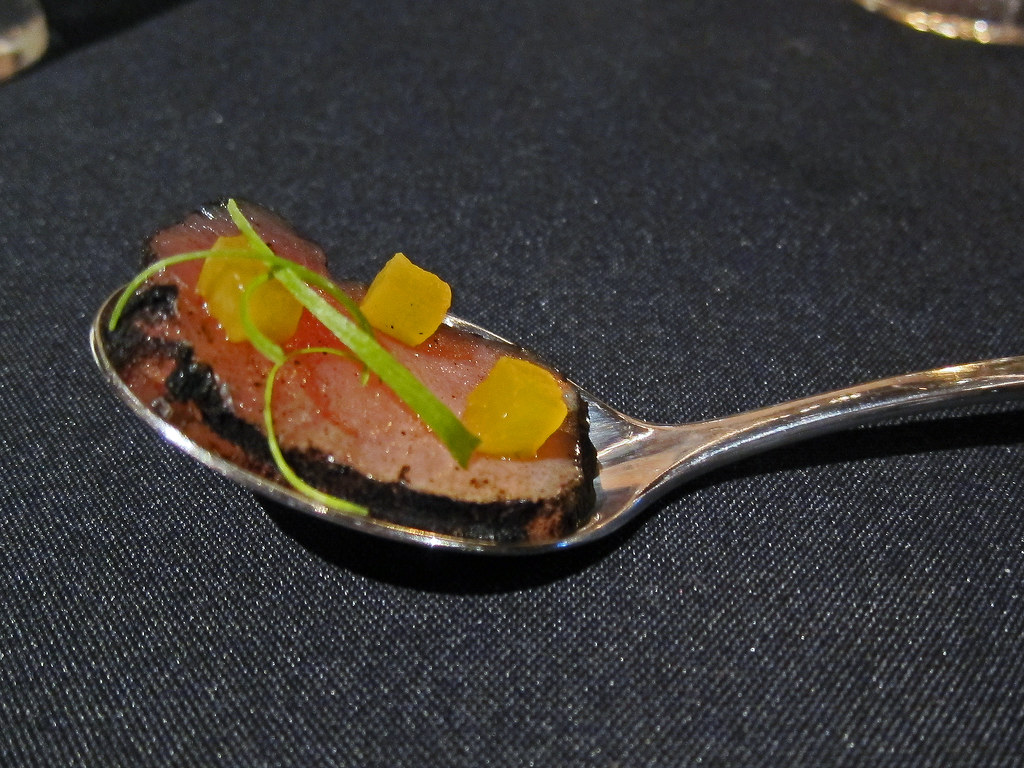
Another small bite: tombo, or albacore, tuna, aged and cured in lime ash. The tuna had an intriguing, slightly waxy texture, and a deep, concentrated flavor that was further brought out by doses of acidity and umami from translucent cubes of pineapple compressed with tamari.

(continued ...)

Friday, September 28, 2012

Cobaya 1500° with Chef Paula DaSilva

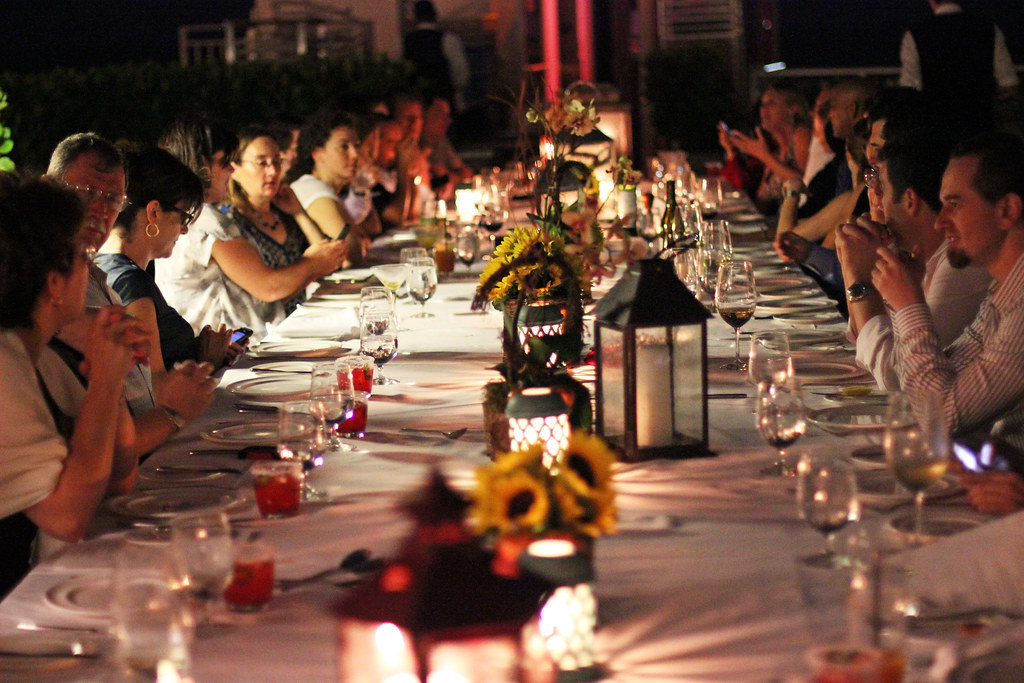
1500° table

"What would be your last meal?" Given their line of work, it's a question chefs are often asked - often enough, in fact, that someone's devoted an entire book to fifty famous chefs' answers to that very question. To the surprise of many people on the other side of the kitchen door, who might expect chefs to favor elaborate, extravagant, fancy food, the answers are often very simple dishes. For José Andrés, it's tortilla española and fresh seafood; for Gordon Ramsay, roast beef and Yorkshire pudding; for Sean Brock, chicken and dumplings (and, of course, a gigantic glass of Pappy); for Tony Maws, it's either a hot dog or a pastrami sandwich. When you spend your days arranging complicated, fussy plates, it turns out to be, for many chefs anwyay, one of the last things you want to eat when you get off work.[1]

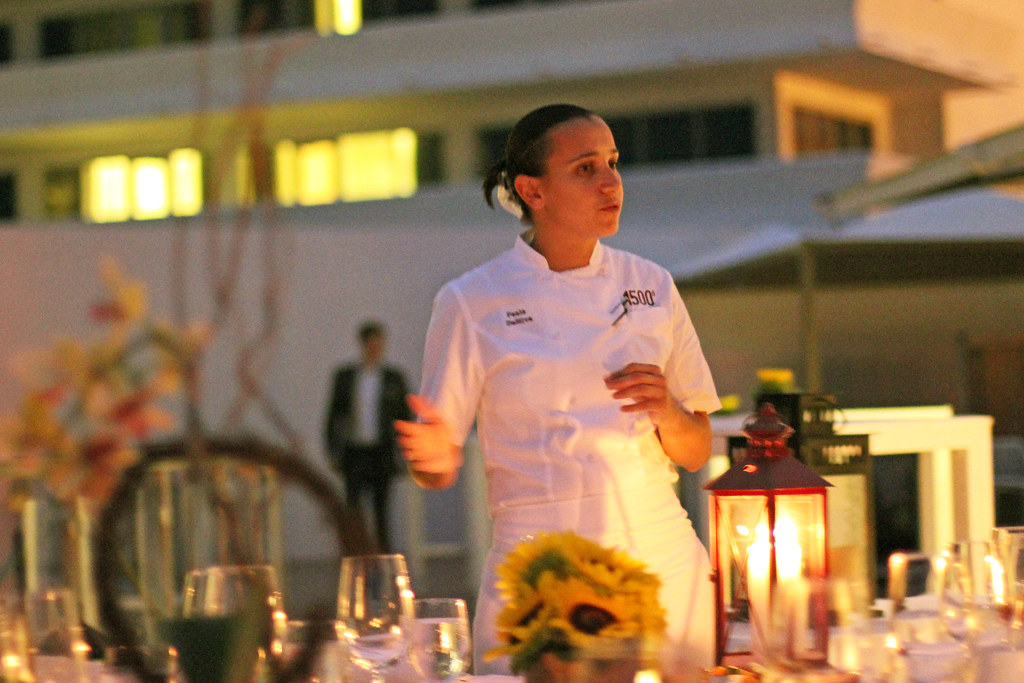
When we do Cobaya dinners, we don't dictate any theme, giving the chefs freedom to realize on their own vision. We push them to give voice to their creative impulses, and encourage them to offer an off-the-menu experience, but beyond that, we want to see their ideas, not our own. So when Chef Paula DaSilva, of 1500° in the Eden Roc Hotel on Miami Beach, chose to do a "Last Meal" theme for her Cobaya dinner, she and her sous chefs, Adrienne Grenier and Tony Velazquez, put together some of their own "last meal" requests, compiled into a format of several rounds of multiple dishes, all served family style.

Chef Paula DaSilva

Many were, like those chosen by many other chefs when asked that question, simple classical dishes. But "simple" is not the same thing as "easy." The truth is, simple is hard: if you're going to do a minimalist, classic dish and make it something special, you have to have the best ingredients, the best technique, the best execution. There is no hiding place. So the task that Chef DaSilva chose for herself and her team was not by any means an easy one.

(You can see all my pictures in this Cobaya 1500° flickr set, or click on any picture to enlarge).

1500° - terrace

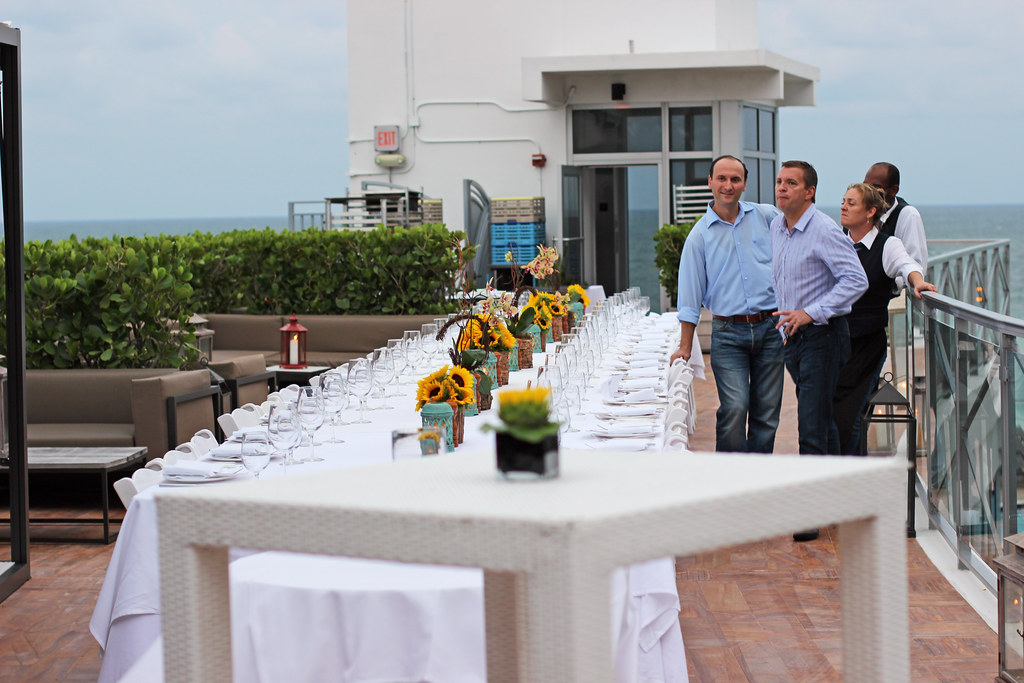
The location of our dinner, on a fourth floor terrace in the back of the hotel overlooking the ocean, was stunning, as was the table stretched out along the balcony, set with festive arrangements of bright sunflowers. A sparking sangria cocktail was served along with several passed hors d'oeuvres as the guinea pigs arrived.

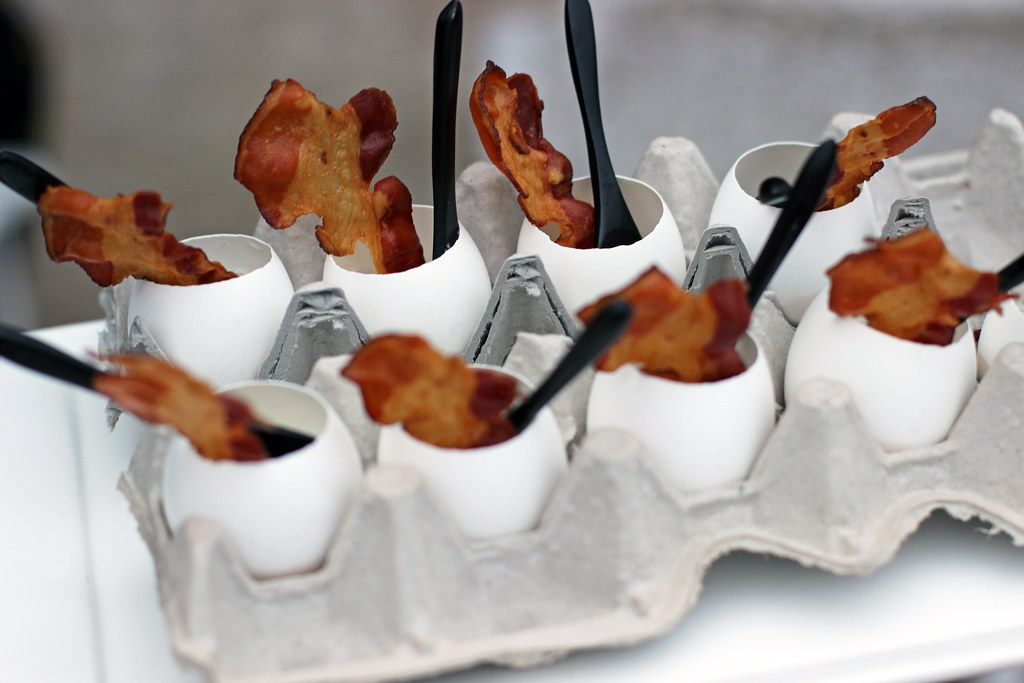
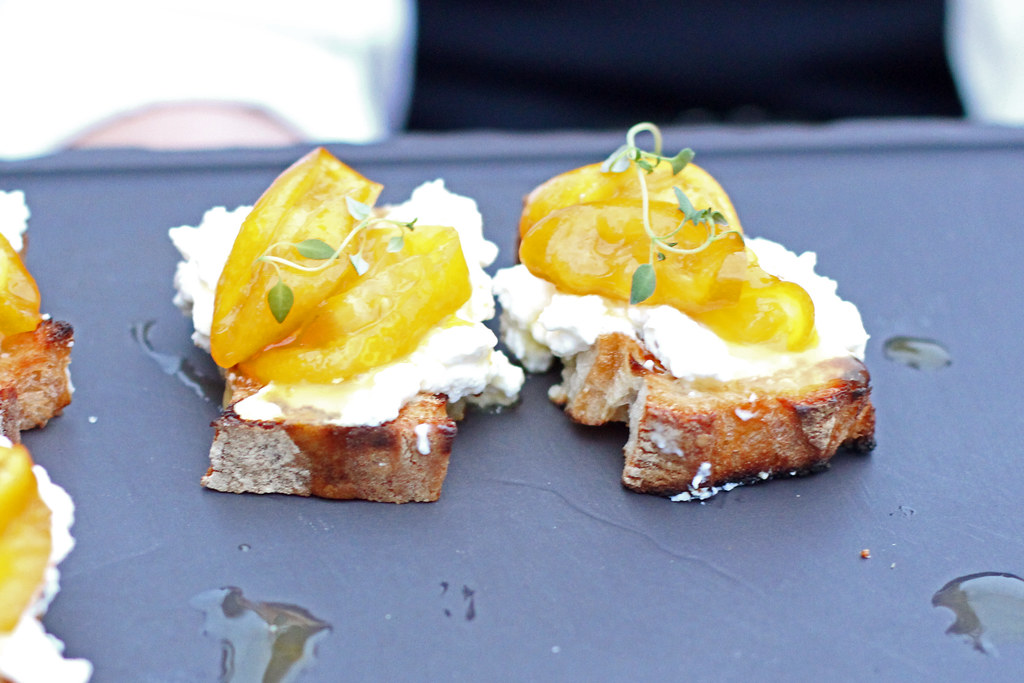
The appetizers included creamy custards served in the eggshell with a sheet of crispy bacon; silky house-made ricotta cheese slathered on grilled bread, topped with a tangy-sweet mandarinquat marmalade; crispy bacalao fritters with a garlic and parsley aioli; pork belly and kimchee sandwiched inside crispy taco shells; and a small burger intended as homage to the legendary In-N-Out Burger (though not done Animal Style as best I could tell).

bacon and egg custard


ricotta

bacalao fritters

We were then directed to the table, which had already been set with a platter of charcuterie along with thick slabs of grilled bread rubbed with tomatoes, the classic Catalan pan con tomate.

charcuterie

The charcuterie was a mix of house-made and thoughtfully procured, the standouts for me being those that came from in-house, a thinly sliced smoked duck breast and a hearty sausage. Prosciutto, mortadella and salami completed the selections, which were accompanied by some pickled vegetables and cured olives. Each round of our dinner was paired with a cocktail, here a Bloody Mary in a crumbled bacon-rimmed glass.

(continued ...)

Tuesday, September 18, 2012

AQ - San Francisco

Three years ago, New York chef David Chang (of the Momofuku empire) caused a bit of a ruckus when he declared: "Fuckin' every restaurant in San Francisco is just serving figs on a plate. Do something with your food."[1] It was not quite Biggie-Tupac material, but it did spark something of an East Coast / West Coast rivalry; nearly a year later, San Francisco chefs were still defiantly crafting "figs on a plate" dishes as they thumbed their noses eastward.

While Chang's gibe was preposterously reductivist, it may have stung precisely because there was an element of truth within the hyperbole. With the quality of product available, it's easy to understand why "California Cuisine" is so ingredient-driven: eat a perfectly ripe Frog Hollow Farm peach and you'll wonder if food can ever be better than that. Perhaps as a result, while there are many great restaurants in the Bay Area, using great ingredients, prepared well, it has not always been exactly a hotbed of culinary creativity, the dominant style often derided as "more shopping than cooking."[2]

But these days, from an outsider's perspective looking in anyway, it seems there are plenty of places in San Francisco that are "doing something" with their food. And though we were limited in our explorations, for reasons noted earlier, one of those places that kept coming to my attention was AQ.[3]

AQ menu

In some ways, AQ would seem to be just another of the seasonal, local, market-driven genre of restaurant. "AQ" stands for "as quoted," like "M.P." or "Market Price," traditional menu lingo for seasonal or specialty items. And the restaurant is designed around the seasons: both the menu and the interior of the restaurant itself are transformed with each season.

But while AQ looks to the seasons and the markets for inspiration, it's not content to merely "let the ingredients speak for themselves;" Chef Mark Liberman[4] doesn't hesitate to manipulate those ingredients or combine them in unexpected ways. At its best, this yields dishes that are small revelations; other times, though, the results seem overwrought and contrived.

AQ dining room

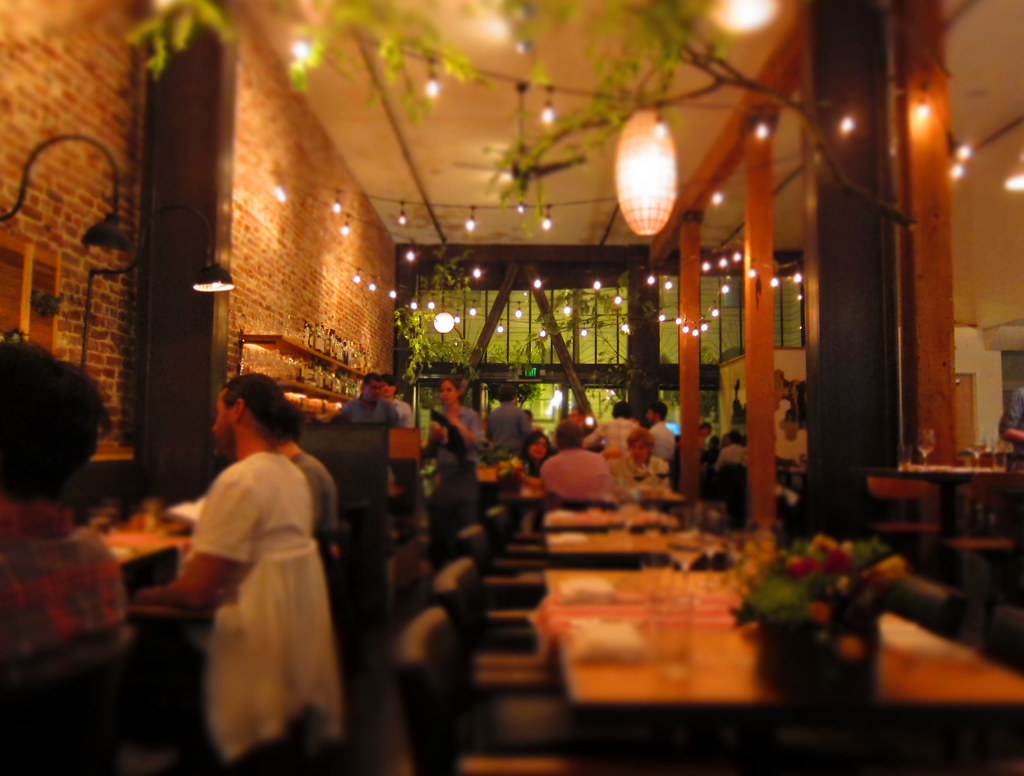
We were only dining at 3/4 power, with Mrs. F taking the night off, so the kids and I journeyed on our own to AQ, located in an old brick building in a rather dodgy SoMa neighborhood.[5] A plaque in the floor of the entranceway announces the season, which is reflected in the decor as well. When we arrived in August, hanging lights strung between the brick walls and dangling green-leafed branches gave the feel of eating in someone's lush backyard garden.

(continued ...)